


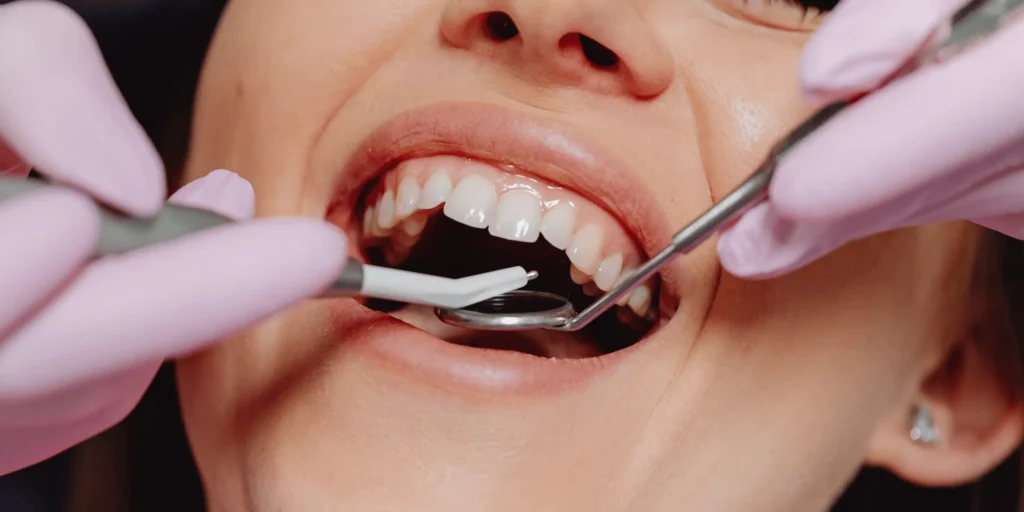
Root canal treatment is often misunderstood and unnecessarily feared, yet it is one of the most effective dental procedures for saving infected or severely damaged teeth. Advances in modern dentistry have transformed root canal therapy into a comfortable and highly predictable treatment. As international patients increasingly seek reliable dental care abroad, Turkey has become a trusted destination for pain-free root canal treatments supported by advanced technology and experienced professionals.
Understanding why root canal treatment is needed, how modern techniques eliminate discomfort, and how long-term tooth protection is achieved helps patients approach the procedure with confidence. Therefore, this guide explains root canal treatment in Turkey in a clear and patient-focused way, addressing both medical and practical concerns.
What Causes the Need for Root Canal Treatment?
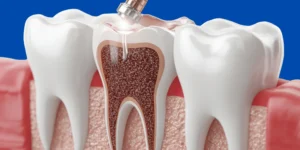
Root canal treatment becomes necessary when the inner pulp of a tooth becomes infected or inflamed. This pulp contains nerves, blood vessels, and connective tissue that support tooth development. However, once a tooth is fully formed, it can survive without this tissue. In other words, removing the infected pulp does not compromise tooth function when the procedure is done correctly.
One of the most common causes of pulp infection is deep tooth decay. When cavities are left untreated, bacteria gradually penetrate through enamel and dentin, eventually reaching the pulp. For example, a small cavity that causes mild sensitivity can develop into a serious infection if ignored. Therefore, early intervention is crucial in preventing complications.
Cracks or fractures in teeth are another frequent cause. Even hairline cracks can allow bacteria to enter the inner tooth structure. These cracks may result from trauma, teeth grinding, or biting on hard objects. However, they are not always visible to the naked eye, which is why professional dental examinations are important.
Repeated dental procedures on the same tooth can also irritate the pulp. Over time, extensive restorations may weaken the tooth and increase sensitivity. In such cases, root canal treatment may be required to preserve the tooth rather than extracting it.
Infections may also develop following trauma, even if there is no visible damage. For instance, an impact to the mouth can disrupt blood flow to the pulp, leading to delayed infection. Therefore, patients who experience dental trauma are advised to seek evaluation even if pain is not immediate.
Symptoms that indicate the need for root canal treatment include persistent toothache, sensitivity to hot or cold, swelling, discoloration, or tenderness when chewing. However, some infections progress silently. In other words, the absence of pain does not always mean the absence of a problem. This makes regular dental check-ups essential.
Modern Pain-Free Root Canal Techniques
The perception of root canal treatment as painful is outdated. Modern dentistry has significantly improved both techniques and patient comfort. In Turkey, dental clinics use advanced tools and anesthesia protocols to ensure that root canal treatment is as pain-free as possible.
The procedure begins with accurate diagnosis and imaging. Digital X-rays and advanced scanning technologies allow dentists to assess the extent of infection precisely. This accuracy reduces treatment time and improves outcomes. Moreover, it helps dentists plan the procedure efficiently, minimizing unnecessary intervention.
Local anesthesia is administered before treatment begins. Modern anesthetics are highly effective, ensuring that patients do not feel pain during the procedure. For anxious patients, additional sedation options may be available. Therefore, patient comfort is prioritized at every stage.
During the procedure, dentists use rotary instruments and specialized files to clean and shape the root canals. These tools are more precise and faster than traditional manual methods. In other words, they reduce treatment duration while increasing effectiveness. This efficiency contributes to a more comfortable experience.
Another important advancement is the use of apex locators, which help determine the exact length of the root canal. This technology ensures thorough cleaning without damaging surrounding tissues. As a result, the risk of complications is significantly reduced.
Disinfection is a critical part of root canal treatment. Modern irrigation solutions eliminate bacteria from the canal system. For example, advanced antimicrobial agents are used to ensure that infection is fully removed. This step is essential for long-term success.
After cleaning, the canals are sealed with biocompatible materials to prevent reinfection. A temporary or permanent restoration is then placed to protect the tooth structure. Clinics in Turkey emphasize precision during this phase to ensure durability and comfort.

Recovery and Long-Term Tooth Protection
Recovery after root canal treatment is generally smooth and predictable. Mild sensitivity or discomfort may occur for a short period, but this is typically manageable with prescribed medication. However, severe pain after treatment is uncommon when modern techniques are used.
Patients are usually advised to avoid chewing on the treated tooth until it is fully restored. This precaution helps prevent fractures and supports proper healing. Therefore, following post-treatment instructions is essential for optimal results.
Long-term tooth protection is a key goal of root canal therapy. Once the infection is removed, the tooth must be reinforced to restore strength. In many cases, a dental crown is recommended. This restoration protects the treated tooth from further damage and restores normal function.
Oral hygiene plays a vital role in maintaining results. Regular brushing, flossing, and professional cleanings help prevent new infections. In other words, root canal treatment addresses the existing problem, but ongoing care ensures long-term oral health.
Patients are also encouraged to attend follow-up appointments. These visits allow dentists to monitor healing and address any concerns early. For international patients, clinics in Turkey often provide remote follow-up support, ensuring continuity of care after returning home.
With proper care, a tooth that has undergone root canal treatment can last a lifetime. Moreover, preserving natural teeth helps maintain jaw structure and overall oral balance. Therefore, root canal treatment is not just a solution for pain relief but a long-term investment in dental health.
Conclusion
Therefore, root canal treatment in Turkey is widely trusted because advanced pain-free techniques, accurate diagnosis, and structured aftercare work together to eliminate infection, preserve natural teeth, and provide long-term protection that supports both oral health and patient comfort.
