


Dental implants have become one of the most reliable and long-lasting solutions for missing teeth. As more patients look beyond their home countries for advanced yet affordable treatment options, Turkey has emerged as a leading destination for dental implant procedures. The combination of modern clinical infrastructure, experienced professionals, and competitive pricing has made dental implants in Turkey a preferred choice for international patients.
Choosing dental implant treatment abroad requires a clear understanding of the procedure, costs, and recovery process. Therefore, patients considering Turkey for dental implants often seek detailed information to ensure both safety and satisfaction. In other words, transparency plays a key role in building trust throughout the treatment journey.
Dental Implant Procedure Explained
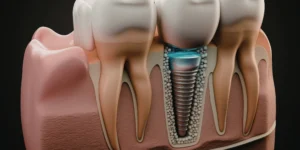
The dental implant procedure is a carefully planned process designed to replace missing teeth with a stable and natural-looking solution. Unlike removable alternatives, implants are placed directly into the jawbone, providing strong support for crowns or prosthetic teeth. This method closely mimics the function of natural tooth roots.
The process usually begins with a comprehensive consultation. During this stage, dentists evaluate the patient’s oral health, bone density, and medical history. Advanced imaging techniques, such as digital scans, are often used to assess suitability for implant placement. For example, these scans help determine whether additional procedures like bone grafting are required.
Once the treatment plan is finalized, the implant placement procedure is scheduled. The titanium implant is surgically inserted into the jawbone under local anesthesia or sedation, depending on patient preference. However, the procedure is generally considered minimally invasive and is performed with a focus on patient comfort.
After placement, the implant is left to integrate with the bone through a natural process called osseointegration. This phase is crucial, as it ensures long-term stability. In other words, the implant becomes a permanent part of the jaw structure. This integration period may vary depending on individual healing capacity and bone quality.
Following successful integration, an abutment is attached to the implant, serving as a connector between the implant and the final crown. The crown is then custom-designed to match the patient’s natural teeth in shape and color. Moreover, modern dental technology allows for precise fabrication, resulting in a natural and aesthetic appearance.
Throughout the procedure, clinics in Turkey emphasize personalized care. Each stage is adapted to the patient’s needs, ensuring optimal outcomes. Additionally, clear communication helps patients understand what to expect at every step, reducing anxiety and improving overall experience.
Dental Implant Costs in Turkey vs Other Countries
One of the most discussed aspects of dental implants abroad is cost. Dental implant treatment in Turkey is significantly more affordable compared to many Western countries. However, this affordability does not come at the expense of quality or safety.
In countries such as the UK, dental implant procedures often involve high clinical fees, laboratory costs, and operational expenses. In contrast, Turkey benefits from a more balanced healthcare economy. Therefore, clinics are able to offer competitive pricing while maintaining high standards of care.
For instance, a single dental implant procedure in Turkey may cost substantially less than in Europe or North America. This price difference allows patients to consider full-mouth restorations or multiple implants that might otherwise be financially unattainable. Moreover, pricing structures are typically transparent, with detailed breakdowns provided before treatment begins.
However, it is important to understand what is included in the cost. In Turkey, implant packages often cover consultations, imaging, implant placement, and follow-up care. In other words, patients receive comprehensive treatment without unexpected expenses. This clarity helps international visitors plan their budgets effectively.
Another factor influencing cost is the availability of high-quality implant brands. Clinics in Turkey frequently use internationally recognized implant systems that meet global certification standards. Despite using premium materials, overall costs remain lower due to reduced operational expenses.
Additionally, patients save on indirect costs such as long-term maintenance or corrective treatments. Properly placed implants reduce the risk of complications, minimizing future expenses. Therefore, dental implants in Turkey offer long-term value rather than short-term savings.
However, patients are advised to evaluate clinics based on expertise and technology rather than price alone. Choosing a reputable clinic ensures that affordability is paired with reliable outcomes. This balanced approach leads to higher satisfaction and lasting results.

Healing Process and Aftercare Timeline
Recovery is an essential part of the dental implant journey. Understanding the healing process helps patients set realistic expectations and prepare for post-treatment care. In Turkey, clinics provide detailed aftercare instructions to support smooth recovery for international patients.
Immediately after implant placement, mild swelling or discomfort may occur. However, these symptoms are generally temporary and manageable with prescribed medication. For example, patients are advised to follow specific dietary guidelines and maintain proper oral hygiene during the initial healing phase.
The osseointegration period typically lasts several weeks to a few months. During this time, the implant gradually fuses with the jawbone. This phase is critical for long-term success. Therefore, patients are encouraged to avoid excessive pressure on the implant area and attend follow-up appointments as recommended.
Once integration is complete, the final crown is placed. At this stage, patients often experience a sense of restored functionality and confidence. In other words, the implant feels and functions like a natural tooth. This outcome highlights the effectiveness of proper healing and aftercare.
After returning home, international patients continue their recovery with remote support from the clinic. Many dental centers in Turkey offer online consultations and follow-up communication to monitor progress. Moreover, patients receive guidance on maintaining implant health through regular check-ups and good oral hygiene practices.
Long-term care involves routine dental visits and proper cleaning techniques. With appropriate maintenance, dental implants can last for many years. Therefore, aftercare is not just a short-term requirement but an ongoing commitment to oral health.
Conclusion
Therefore, dental implants in Turkey have become a trusted solution because advanced procedures, competitive pricing, and structured recovery protocols work together to provide international patients with safe, predictable, and long-lasting results that support both oral health and overall quality of life.
