


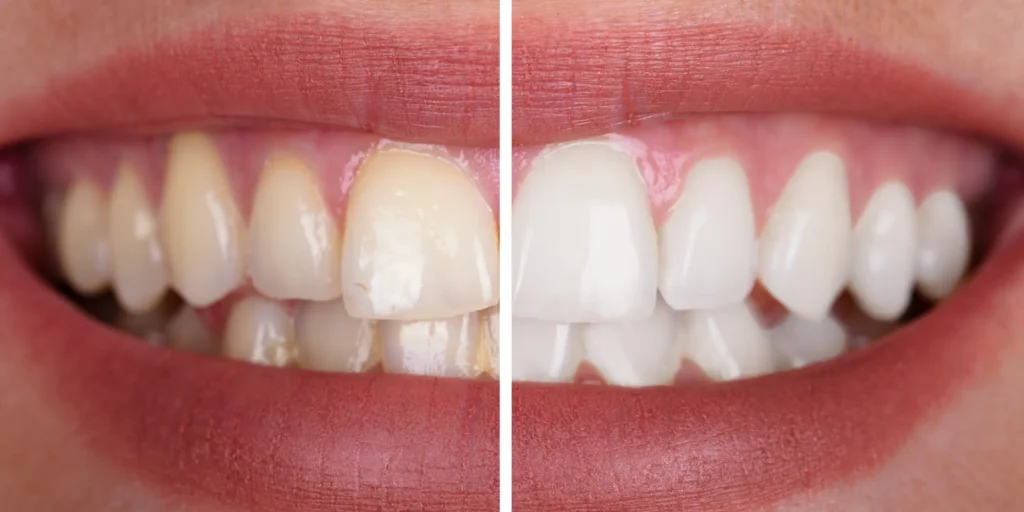
Teeth whitening has become one of the most popular aesthetic dental treatments worldwide, offering a simple yet powerful way to enhance a smile. As international patients increasingly seek professional whitening solutions abroad, Turkey has emerged as a trusted destination due to its modern dental clinics, regulated procedures, and focus on patient safety. Rather than relying on over-the-counter products with unpredictable outcomes, patients are choosing clinical whitening treatments that deliver controlled and visible results.
Understanding how professional teeth whitening works, how safety is ensured, and how long results can be maintained is essential for anyone considering treatment. Therefore, this guide provides a comprehensive overview of teeth whitening in Turkey, focusing on effectiveness, clinical standards, and realistic expectations.
Professional Teeth Whitening Methods
Professional teeth whitening differs significantly from at-home solutions. Clinical treatments are designed to remove deep stains while protecting tooth enamel and gum health. In Turkey, dental clinics offer several professional whitening methods, each selected based on the patient’s needs and dental condition.
One of the most commonly used techniques is in-office whitening. This method involves applying a high-concentration whitening gel to the teeth under controlled conditions. The gel is activated using specialized light or laser technology, accelerating the whitening process. For example, patients may achieve noticeable results in a single session lasting about one hour.
Another popular option is take-home whitening kits prescribed by dentists. These kits include custom-made trays and professional-grade whitening gel. In other words, patients benefit from clinic-level treatment while applying it at home over a set period. This method is often recommended for gradual whitening or for maintaining in-office results.
Some clinics also combine both approaches for optimal outcomes. In such cases, in-office whitening provides immediate brightness, while take-home treatments help enhance and stabilize the final shade. Moreover, this combined approach allows for better control over sensitivity and long-term results.
However, not all stains respond equally to whitening. Dentists evaluate the cause of discoloration before recommending a method. For instance, surface stains from food and beverages respond well to whitening, while internal discoloration may require alternative solutions such as veneers. Therefore, professional assessment is a critical step.
Technology plays a key role in treatment effectiveness. Clinics in Turkey use advanced whitening systems that ensure even gel distribution and controlled activation. This precision minimizes risks and enhances comfort. Additionally, protective barriers are applied to gums to prevent irritation.
Safety Standards and Clinical Procedures
Safety is a primary concern for patients considering teeth whitening abroad. In Turkey, dental clinics operate under strict health regulations and follow established clinical protocols to protect patient well-being. These standards ensure that whitening treatments are both effective and safe.
Before treatment begins, dentists conduct a thorough oral examination. This assessment identifies issues such as cavities, gum disease, or enamel damage that must be addressed beforehand. Therefore, whitening is only performed when oral health conditions are suitable. In other words, safety always precedes aesthetics.
Clinical procedures include protective measures to shield gums and soft tissues. For example, dentists apply barriers or gels to prevent contact with whitening agents. These precautions reduce the risk of sensitivity and irritation during treatment.
Moreover, professional whitening gels used in clinics are regulated and tested for clinical use. Unlike unverified products, these materials meet international safety standards. Therefore, patients benefit from predictable results without unnecessary risks.
Dentists also monitor treatment duration carefully. Overexposure to whitening agents can cause enamel sensitivity. However, controlled application ensures that whitening is effective without compromising tooth structure. This balance is achieved through professional supervision and experience.
Another important aspect is patient communication. Dentists explain potential side effects, such as temporary sensitivity, and provide guidance on managing discomfort. This transparency helps patients feel informed and reassured throughout the process.
Additionally, clinics maintain strict hygiene and sterilization protocols. Equipment and tools are disinfected according to regulatory requirements, ensuring a safe treatment environment. As a result, international patients can trust the clinical standards maintained during their visit.
How Long Do Teeth Whitening Results Last?
One of the most common questions patients ask is how long teeth whitening results will last. The longevity of whitening outcomes depends on several factors, including lifestyle habits, oral hygiene, and the chosen whitening method.
In general, professional whitening results can last from several months to a few years. However, maintaining results requires conscious effort. For example, reducing consumption of staining foods and beverages such as coffee, tea, and red wine can significantly extend brightness.
Smoking is another factor that affects longevity. Tobacco use accelerates discoloration, diminishing whitening results more quickly. Therefore, patients are often advised to avoid smoking, especially in the weeks following treatment.
Oral hygiene plays a crucial role in maintaining whiteness. Regular brushing, flossing, and professional cleanings help prevent surface stains from reappearing. In other words, daily habits directly influence long-term outcomes.
Dentists may also recommend periodic touch-up treatments. These can be performed using take-home kits or brief in-office sessions. Moreover, touch-ups allow patients to refresh their smile without undergoing full whitening again.
Individual enamel characteristics also affect results. Some patients naturally retain whiteness longer due to enamel composition, while others may require more frequent maintenance. Dentists consider these differences when advising on aftercare routines.
Finally, adherence to post-treatment guidelines significantly impacts durability. Patients who follow professional advice tend to enjoy longer-lasting results and greater satisfaction. Therefore, aftercare is not optional but essential for preserving the benefits of whitening.
Conclusion
Therefore, teeth whitening in Turkey continues to attract international patients because professional methods, strict safety standards, and clear aftercare guidance work together to deliver effective, reliable, and long-lasting results that enhance both appearance and confidence.
